Decision rule
Fit the need
Compare total cost, access, labor, safety, durability, and who benefits. One technology cannot fit every household.
Check the evidenceA practical, non-perfectionist guide to reducing environmental harm through household switches, reuse, water choices, and questions about money.
Divestment is a pattern of choices, not a purity test. Start with the switches you control most often: efficient lighting and appliances, induction or other low-emission cooking options, weatherization, heat pumps, refillable goods, repair, and durable products. Compare total energy use, indoor air quality, cost, accessibility, and the needs of people who share your home instead of assuming one technology fits every household.
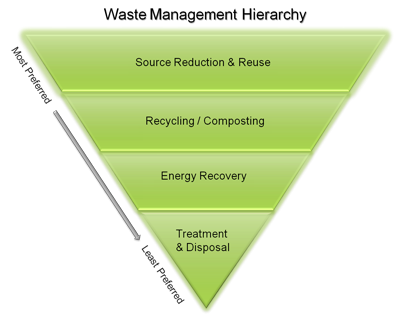
Reuse is often the fastest climate action because it avoids the material, energy, and waste involved in making a replacement. Buy secondhand when it works, accept hand-me-downs, borrow tools, repair before replacing, share rarely used equipment, and learn which items can be safely refurbished. Recycling still matters for materials that cannot be reused, but it is later in the waste hierarchy than refusing unnecessary purchases, reducing use, and reusing what already exists.
Water choices include fixing leaks, using efficient fixtures, keeping rainwater on the property where safe and allowed, choosing native or climate-ready plants, and avoiding landscapes that need constant irrigation. Water and energy are connected: heating and pumping water use energy, and polluted runoff creates public costs. Check local rules before installing a rain barrel or changing drainage.
Money is part of the system too. Ask a bank, retirement plan, or investment provider how it screens fossil-fuel exposure, climate risk, labor rights, and community impacts; read the fund’s holdings and fees rather than relying on a label. This guide is not financial advice. People have different fiduciary duties, tax situations, and risk tolerance, so a qualified professional can help translate values into a lawful, diversified plan. Pair personal choices with collective action for utility, housing, transit, procurement, and public-investment changes that individuals cannot make alone.
Begin with an inventory rather than a shopping list. Walk through a normal week and note where energy, materials, water, time, and money leave the household. A leaky window, a rarely used appliance, a subscription that creates disposable packaging, a bank account that finances fossil extraction, and a bus route that does not run late are different problems. The best response may be a switch, a repair, a public comment, a collective purchase, or a campaign for a better service.
Make changes in layers. Efficiency can lower demand; maintenance keeps equipment working; reuse delays a new purchase; sharing reduces the number of seldom-used items; and policy changes the conditions around everyone. A hand-me-down is not a moral failure if it fits the need. A new efficient appliance can be the right choice when an old one is unsafe or costly to run. Ask who performs the labor, who pays the upfront cost, and who benefits from the change.
Water connects the home to a watershed. Fix leaks, choose fixtures that fit the household, keep soil covered, and water plants when the soil and weather call for it. A rain barrel or rain garden needs an overflow path, a stable base, mosquito prevention, and local permission where applicable. Never send roof or yard water toward a neighbor, a failing foundation, or a contaminated area. The goal is a safer water cycle, not a new object to maintain.
Money choices deserve the same care. Read a fund's holdings, fees, voting policy, and screening method; ask a bank what it finances; and distinguish a marketing label from a documented strategy. Tax treatment, fiduciary duties, risk tolerance, and access differ, so a qualified financial professional can help with personal decisions. Community investment, credit unions, public banking campaigns, and procurement rules can move more capital than an individual account, which is why household action and organizing belong in the same plan.
Research note: the Department of Energy's weatherization guidance, EPA's circular-economy materials, and NJ's yard and drive-green resources emphasize demand reduction, maintenance, reuse, and systems change. Track one result you can actually observe, such as fewer repair calls, lower water use, or a safer walking route, and revisit the plan after a season. A lower-harm life is a practice that can be adjusted, shared, and made more equitable.
Short evidence blocks and visual explainers are included with the guide so you can check an idea, follow a source, or take it into a classroom or meeting.
A lower-harm life is a sequence of practical choices plus collective work to change the systems around them.
Lower energy demand, improve indoor conditions, and choose equipment that fits the household and budget.
Repair, borrow, share, accept hand-me-downs, and reuse before buying a replacement.
Fix leaks, keep water on site safely, and choose plants and services that fit the watershed.
Read holdings, fees, voting policies, and screening methods instead of trusting a label.
Join campaigns for utility, housing, transit, procurement, and public-investment changes.
Decision rule
Fit the need
Compare total cost, access, labor, safety, durability, and who benefits. One technology cannot fit every household.
Check the evidence