
Loading page
Know the names. Read the formulas. Understand the pollution behind the headlines.
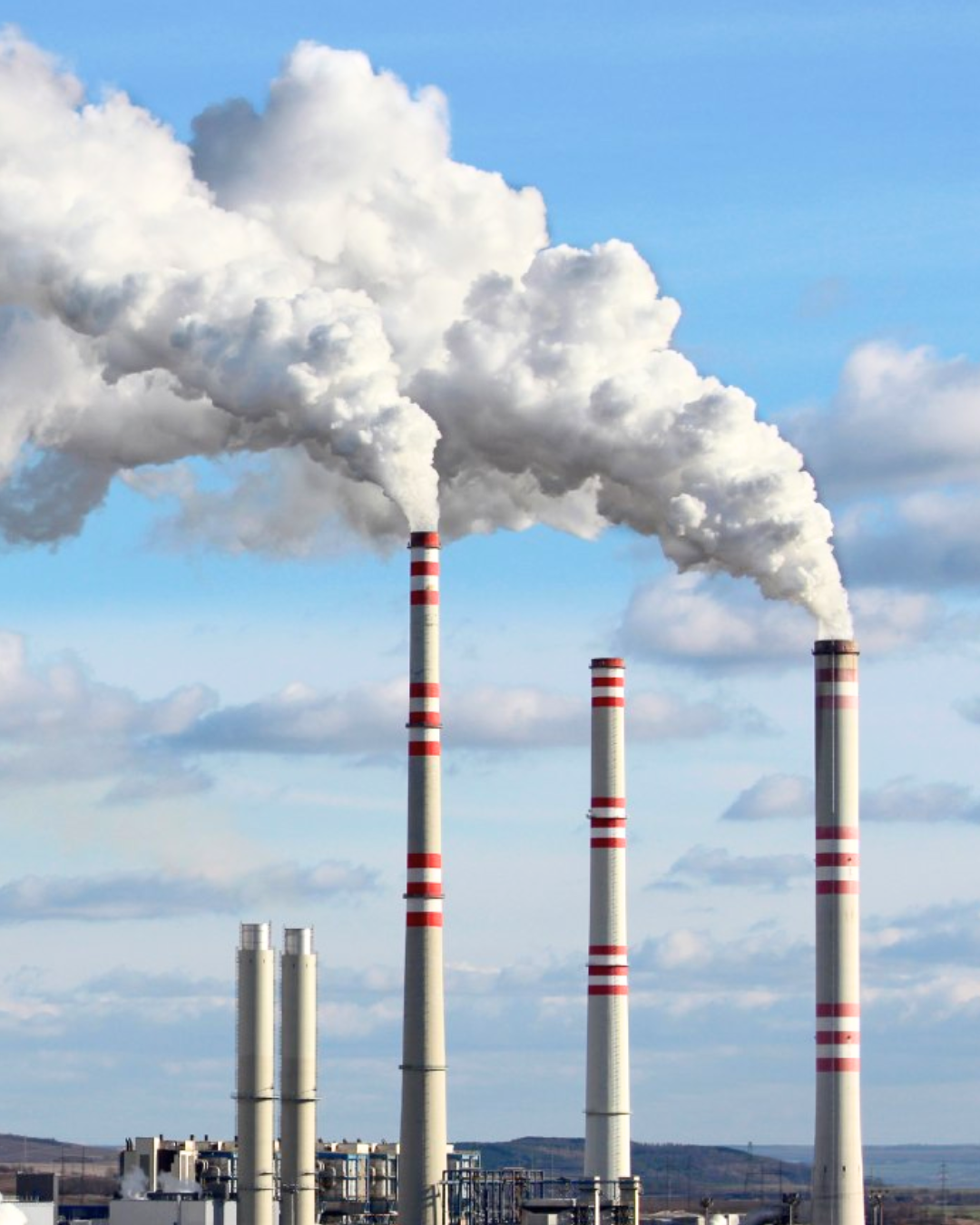
Open a name for its meaning, graphic and a question to ask.
12 topics
A ring-shaped organic compound and a volatile organic compound (VOC). Its formula counts six carbon and six hydrogen atoms.
Benzene is a known human carcinogen. Sources include fuel vapors, tobacco smoke and vehicle exhaust.
Does the air report name benzene specifically, or only report total VOCs?
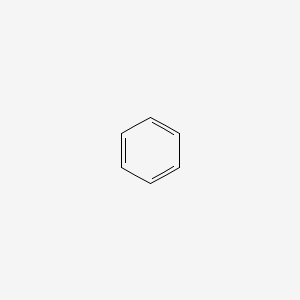
In this skeletal drawing, each unmarked corner is a carbon; attached hydrogens are not drawn.
PubChem · NIH / NCBI: Benzene graphic source (new tab) · View full size: Benzene (new tab)
A greenhouse gas with one carbon atom and two oxygen atoms. It is not carbon monoxide (CO).
Burning coal, oil and gas releases CO₂. Cement production also releases it; plants remove some through the carbon cycle.
Is the number a measured CO₂ concentration or an inventory of emissions?
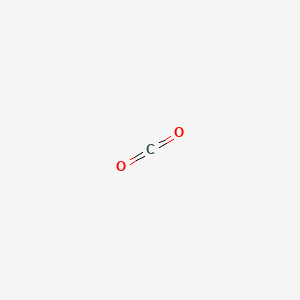
CO₂ has two oxygen atoms for each carbon atom.
PubChem · NIH / NCBI: Carbon dioxide graphic source (new tab) · View full size: Carbon dioxide (new tab)
A greenhouse gas made of one carbon atom and four hydrogen atoms.
Sources include oil and gas operations, livestock and decomposing waste in landfills.
Which methane sources are included in this inventory, and how were leaks measured?
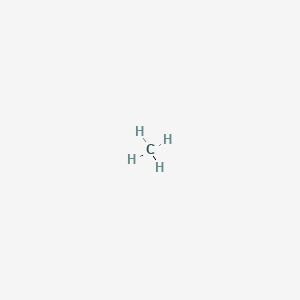
The subscript 4 counts hydrogen atoms, not four methane molecules.
PubChem · NIH / NCBI: Methane graphic source (new tab) · View full size: Methane (new tab)
A reactive gas in the nitrogen oxides family, often abbreviated NOₓ. It is different from nitrous oxide (N₂O).
Fuel combustion in vehicles, power plants and equipment releases NO₂. Nitrogen oxides help form ozone and particles.
Does the report measure NO₂, the broader NOₓ family, or N₂O? These are not interchangeable.
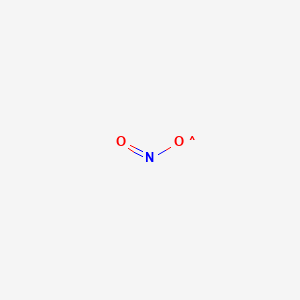
NO₂ contains one nitrogen and two oxygen atoms. The structure also marks its unpaired electron.
PubChem · NIH / NCBI: Nitrogen dioxide graphic source (new tab) · View full size: Nitrogen dioxide (new tab)
A negatively charged ion containing nitrogen and oxygen. It is not the same substance as nitrogen gas or nitrite.
Nitrate can enter groundwater. Excess nitrogen and phosphorus in water can fuel algal growth and reduce oxygen.
Is the result reported as nitrate or as nitrate-nitrogen? Ask before comparing numbers.
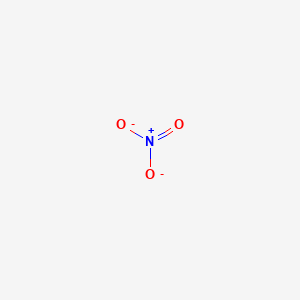
The superscript minus in NO₃⁻ means the ion has a net negative charge.
PubChem · NIH / NCBI: Nitrate graphic source (new tab) · View full size: Nitrate (new tab)
A reactive sulfur-containing gas. SO₂ is a specific chemical, not a label for all sulfur compounds.
Major sources include fossil-fuel burning at power plants and industrial facilities. Atmospheric reactions can form fine particles and acid deposition.
Which sources and downwind communities does the monitoring plan cover?
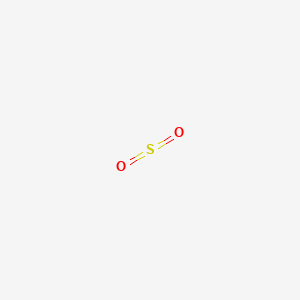
The formula is conventionally written SO₂; PubChem also lists the same composition as O₂S.
PubChem · NIH / NCBI: Sulfur dioxide graphic source (new tab) · View full size: Sulfur dioxide (new tab)
PFAS means per- and polyfluoroalkyl substances: thousands of chemicals, not one compound. PFOA is perfluorooctanoic acid, one example.
Many PFAS break down very slowly. A test for selected PFAS does not measure every chemical in the family.
Which individual PFAS were tested, and what could the method detect?
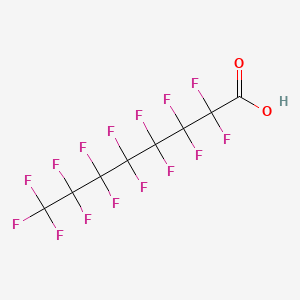
This is PFOA in its acid form, not a structure for the entire PFAS family.
PubChem · NIH / NCBI: PFAS & PFOA graphic source (new tab) · View full size: PFAS & PFOA (new tab)
Airborne solid particles and liquid droplets. PM is a mixture, not a single molecule; the numbers refer to particle size in micrometers.
PM₂.₅ includes particles 2.5 micrometers or smaller. Some are emitted directly; others form when gases react in air.
Which size fraction, averaging period and monitor location does this reading describe?
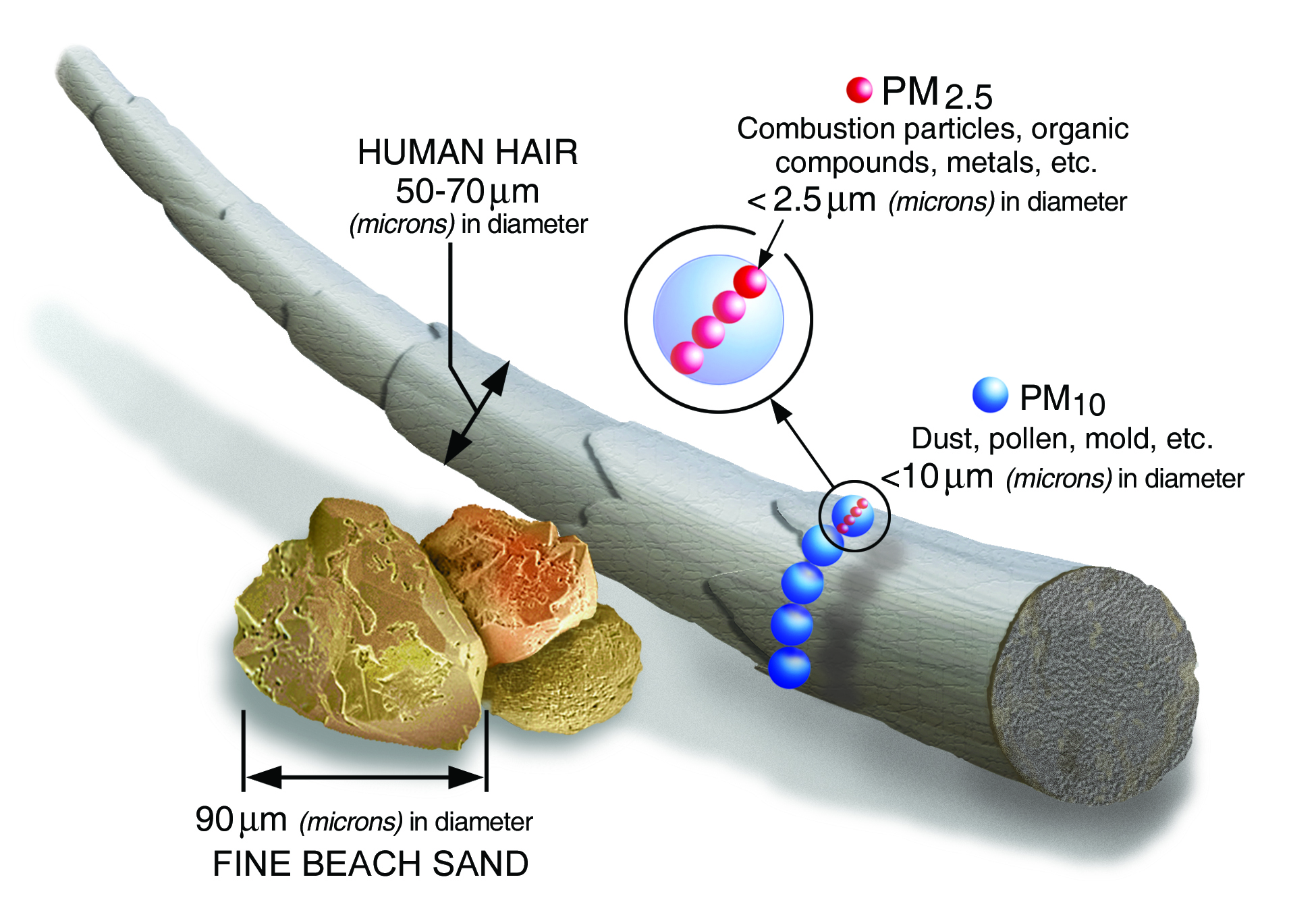
Particle sizes compared with a human hair and a grain of sand. The full-size diagram preserves EPA’s labels.
U.S. EPA: Particulate matter graphic source (new tab) · View full size: Particulate matter (new tab)
Sunlight drives reactions between nitrogen oxides and VOCs that produce ground-level ozone. Ozone is not emitted directly from a tailpipe.
O₃ near the ground is a harmful component of smog; ozone high in the atmosphere shields Earth from ultraviolet radiation.
Which NOₓ and VOC sources contribute to ozone here, including pollution carried by wind?
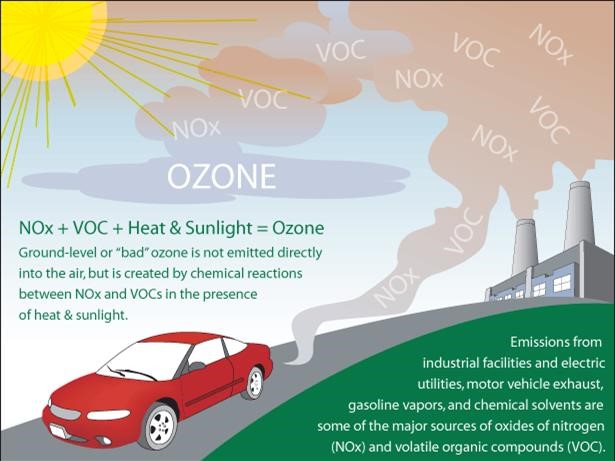
EPA’s simplified ozone-formation diagram. This is a process summary, not a balanced chemical equation.
U.S. EPA: Ground-level ozone formation graphic source (new tab) · View full size: Ground-level ozone formation (new tab)
Sulfur dioxide and nitrogen oxides react in the atmosphere to form sulfuric and nitric acids. They return to the surface in wet or dry deposition.
The pathway extends beyond rain: particles and gases can settle on land and water, then wash into streams.
Is monitoring tracking air emissions, wet deposition, dry deposition or changes in water chemistry?
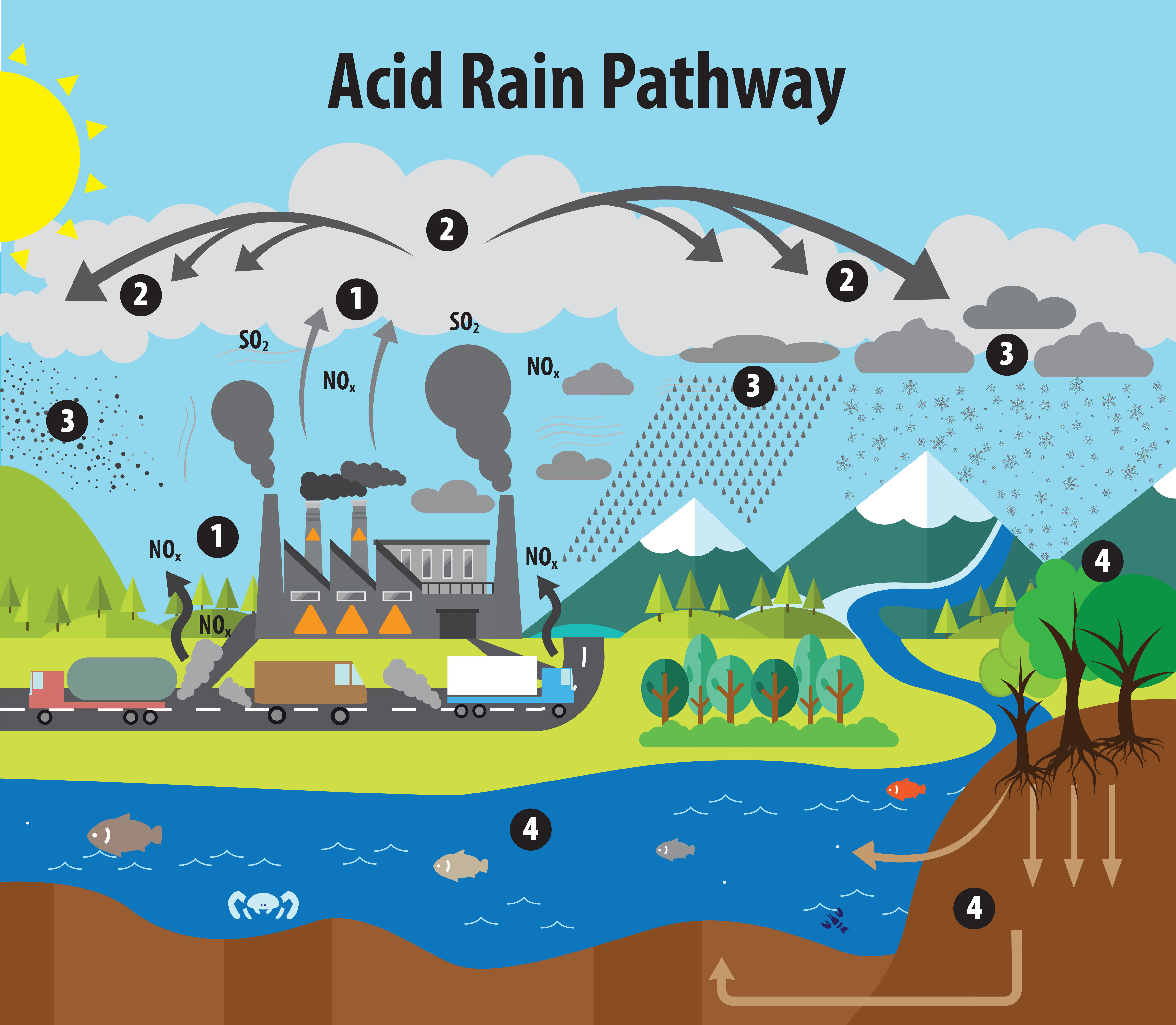
Follow EPA’s numbered pathway: emissions → atmospheric reactions → deposition → effects on ecosystems.
U.S. EPA: Acid deposition graphic source (new tab) · View full size: Acid deposition (new tab)
Too much nitrogen and phosphorus can stimulate excessive algal growth. Oxygen can fall as the system changes; some blooms produce toxins.
Nutrients are essential for life, but excess nutrients can harm water quality. A bloom’s appearance alone does not tell you whether toxins are present.
Were nutrients, dissolved oxygen and any suspected algal toxins actually measured?
Nitrate is one nutrient species. This molecule alone does not show whether a water body has a harmful bloom.
PubChem · NIH / NCBI: Eutrophication & algal blooms graphic source (new tab) · View full size: Eutrophication & algal blooms (new tab)
Some chemicals move from a liquid or solid into the air as vapor. VOCs can be released by fuels, solvents, paints and other products.
Chemicals may enter the air during use or storage. A product’s ingredients and conditions matter; VOCs are not all equally hazardous.
Which compounds are released, from what source, and under what operating conditions?
Benzene is one example of a VOC, not a formula for every volatile organic compound.
PubChem · NIH / NCBI: Volatilization & VOC emissions graphic source (new tab) · View full size: Volatilization & VOC emissions (new tab)
Graphics are reproduced from PubChem and EPA; attribution does not imply endorsement. This glossary explains terms, not site-specific exposure or compliance.