
Loading page
Five hands-on lessons for exploring soil, species and your schoolyard together. Choose one activity or teach the sequence.
Observe, ask questions and try an idea together. Each lesson includes a quick way for students to show what they learned.
Suggested core: grades 3–5. Times are planning estimates. Use drawing and oral responses for K–2; add repeated measurements and evidence-based explanations for grades 6–8.
Choose a lesson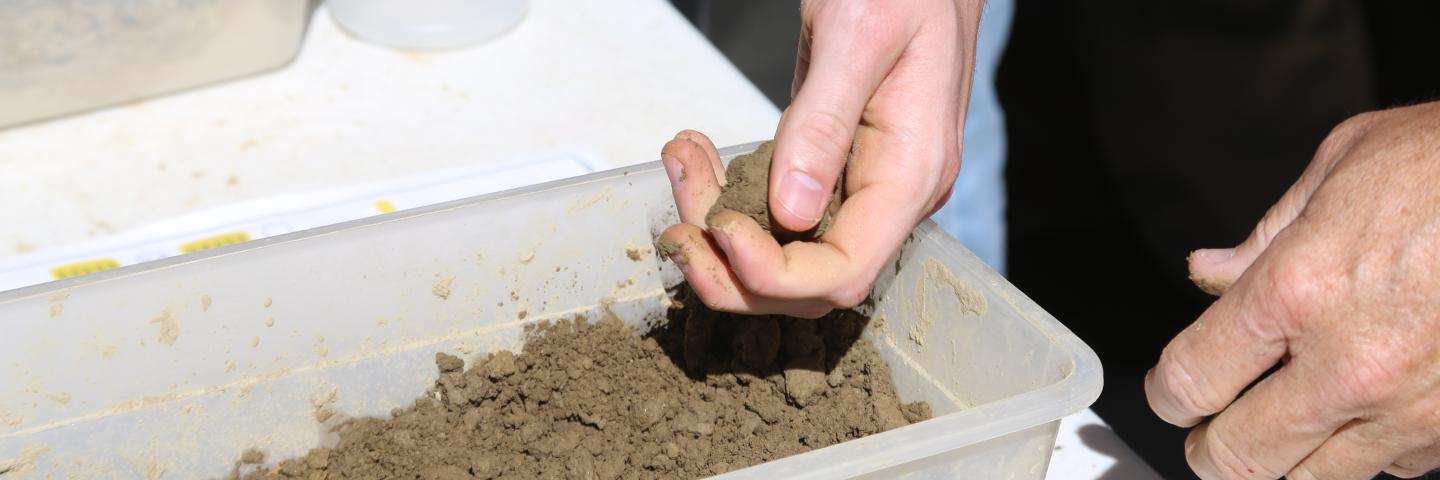
Open a lesson for materials, steps and a quick learning check.
Gather: Scrap paper, pencils and a large sheet of paper.
Show what you learned: Finish: Our team changed its drawing when someone noticed…
Make it work for your class: Use picture cards and spoken answers, partner drawing or a shared tabletop model. No movement or reading aloud is required.
NPS insect and food-web backgroundGather: Two teacher-approved soil samples, trays, spoons, paper and optional magnifiers.
Show what you learned: Name one difference you observed and one question that needs more investigation.
Make it work for your class: Use teacher-described samples, securely sealed bags to feel, or the soil photo on this page for a no-contact activity. Wash hands after handling soil; avoid soil from roadsides or potentially contaminated sites.
USDA soil classroom resourcesGather: Paper, pencils, a timer and a teacher-selected observation area or photos.
Show what you learned: Show two features you would use to tell your find from another organism.
Make it work for your class: Observe from a seated, accessible spot, or use teacher-described photos and tactile models indoors. Leave plants and animals in place. No catching, touching or student accounts needed.
NPS plant-observation lessonGather: Two matching adult-prepared runoff trays with outlets, equal amounts of the same approved soil, clean fallen leaves, water, a measuring cup and two labeled collection containers.
Show what you learned: Complete: We changed… We kept… We observed…
Make it work for your class: An adult can pour while students direct, time, draw or report. Keep spills off walking routes. Do not drink the water; this model does not test drinking-water safety or predict a real storm.
USDA soil and water lessonsGather: A schoolyard photo or simple outline, pencils and observations from earlier lessons.
Show what you learned: Point to one observation that supports your proposal and one thing you still need to check.
Make it work for your class: Offer drawing, a tactile model, dictation or a short audio explanation. A paper proposal is a complete project; no family purchases are required.
NPS observation backgroundFold scrap paper into four boxes. Draw, write or dictate one answer in each.
Check school policies, allergies, weather and accessible routes first. Use clean, teacher-approved materials; avoid animal waste, sharp litter, pesticides and unknown soil. Supervise water and tools, wash hands and offer a no-contact alternative.
These lessons build observation and teamwork skills for studying habitats and rainfall. One outdoor visit or tray experiment cannot establish a climate trend. Connect observations to longer-term records in a later lesson.
This is an independent activity kit, not a district-adopted curriculum. Choose the standard and assessment that fit your class. NJDOE lists current standards and 2026 revisions.
Older learners can extend species observations with the NPS insect mini-book lesson and illustrated slides. Keep wildlife observation non-invasive.